Image


2026 is a pivotal year and marks America’s commemoration of the 250th anniversary of our nation’s founding. Take a look at some of our favorite primary source documents from the collections at the Library of Virginia to help teach students about the American Revolution.
Resources in Document Bank of Virginia are aligned with state Standards of Learning and each entry includes historical context and suggested classroom activities.

In November 1774 Yorktown residents boarded a British ship and dumped two half-chests of tea into the York River. Read all about the Yorktown tea party the Virginia Gazette.

Patrick Henry’s dramatic “Give Me Liberty or Give Me Death” speech helped to chart Virginia’s revolutionary course. Learn how these words become ingrained in American history.

Virginia’s most outspoken revolutionary called the king a tyrant and challenged the authority of Virginia’s governor. Read the proclamation declaring Patrick Henry an outlaw.

As tensions between the colony and Great Britain increased, Virginia’s governor offered freedom to enslaved people who fought for the king. Read his November 1775 proclamation.

Virginians defeated British forces at the Battle of Great Bridge in December 1775. Read Col. William Woodford’s letter to colonial leaders that described the battle as he witnessed it.
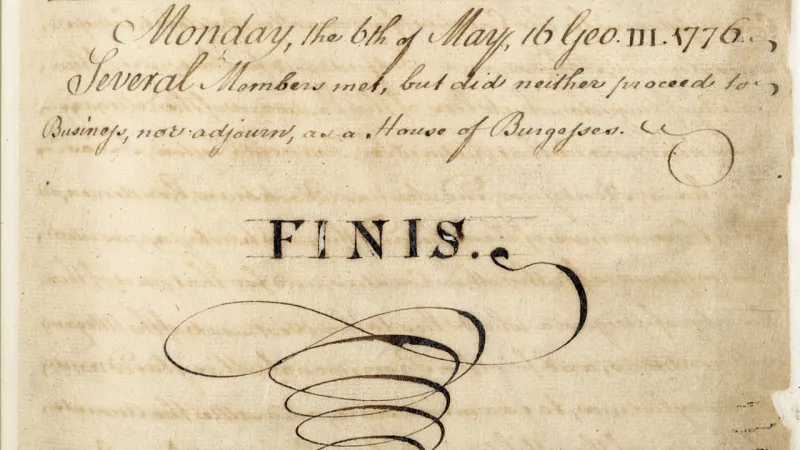
Even after the royal governor dissolved the House of Burgesses, that legislative body continued to meet. Read how the burgesses “let that body die” on May 6, 1776.

In June 1776, Virginia was the first state to authorize a declaration of the fundamental human liberties that government was to protect. Read a draft of the Virginia Declaration of Rights in George Mason’s hand.

On June 29, 1776, Virginia adopted a new constitution, which created a bicameral legislature, a weak executive position, and a judiciary branch. Read the clerk’s handwritten copy of the Virginia Constitution.

On July 4, 1776, the Continental Congress ratified the text of the Declaration of Independence. Read one of our foundational documents, chiefly written by Thomas Jefferson.
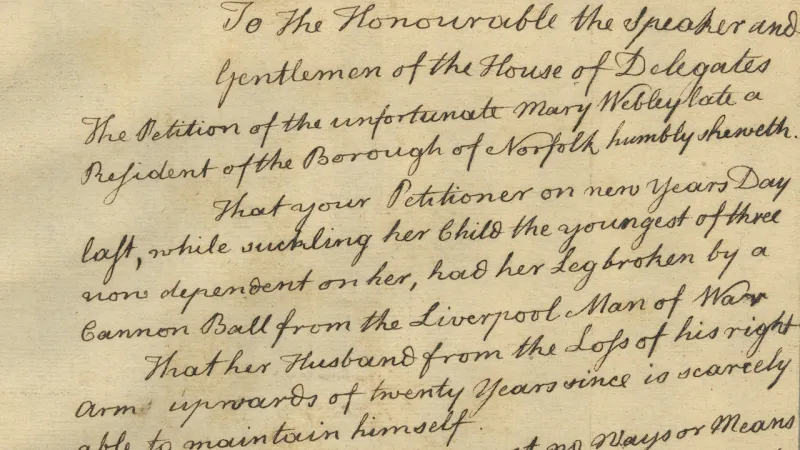
Mary Webley’s home was destroyed during the British bombardment of Norfolk in 1776. Read her successful petition to the General Assembly for compensation.
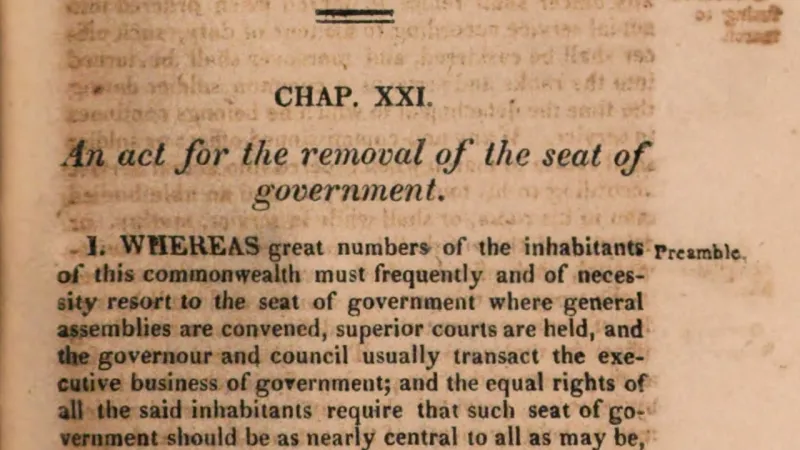
During the Revolution, the General Assembly wanted to move the capital further inland, away from the coast and closer to the growing population. Read the act approved in 1779.
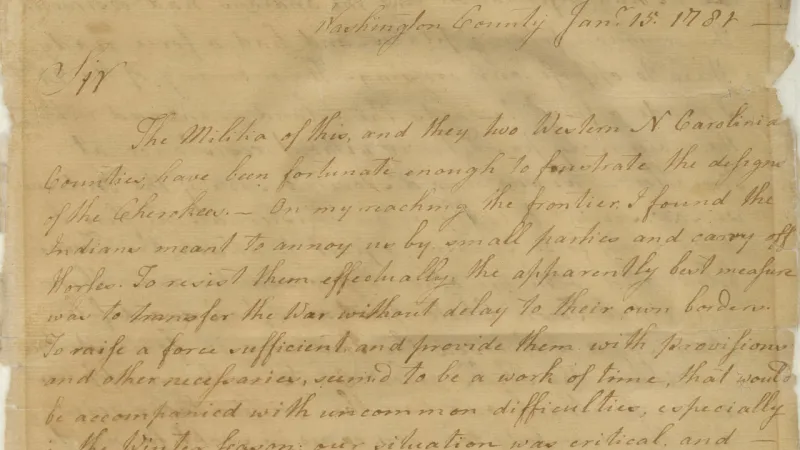
In the Appalachian mountains, battles raged between the American militia and Indigenous nations. Read Col. Campbell’s letter about some of these actions.

The surprising American success at Yorktown hinged on French political and military support. This map shows how French and American forces trapped the British troops.
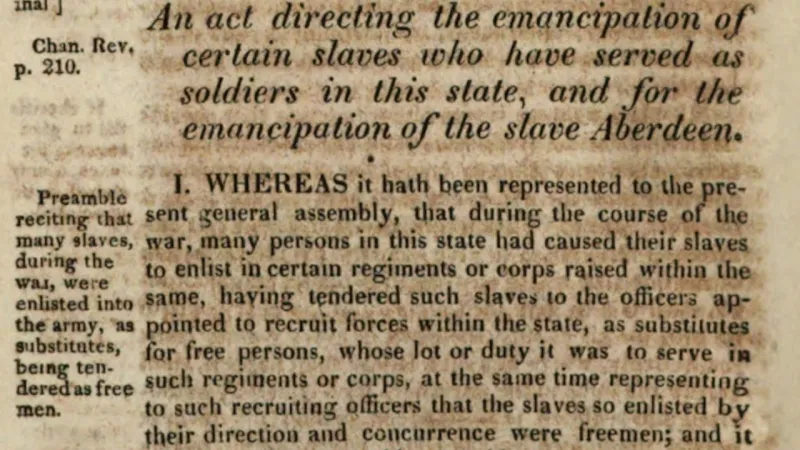
Thousands of enslaved men fought for American liberty during the Revolution. Read this Virginia act that intended to free some of them.

Abraham Skipwith sought his freedom after the Revolution. Read his unsuccessful petition to be freed and learn more about this early Richmond landowner.

The act establishing religious freedom is one of the most important bills adopted by Virginia’s government. Find out how it influenced the Bill of Rights to the U.S. Constitution.

Despite serving as a spy for the patriot cause, James Lafayette was forced to return to slavery after the Revolution. Read his petition for freedom.

Anna Lane is the only documented female veteran of the Revolutionary War to live in Virginia. Read how she was awarded a state pension.

Virginia honored George Washington with a marble statue in the state capitol. Learn why it depicts Washington as a common citizen standing in front of a farmer’s plow as well as a soldier.

Thomas Jefferson wanted to be remembered for writing the Declaration of Independence and the Virginia Act for Religious Freedom. Learn more about our third president.
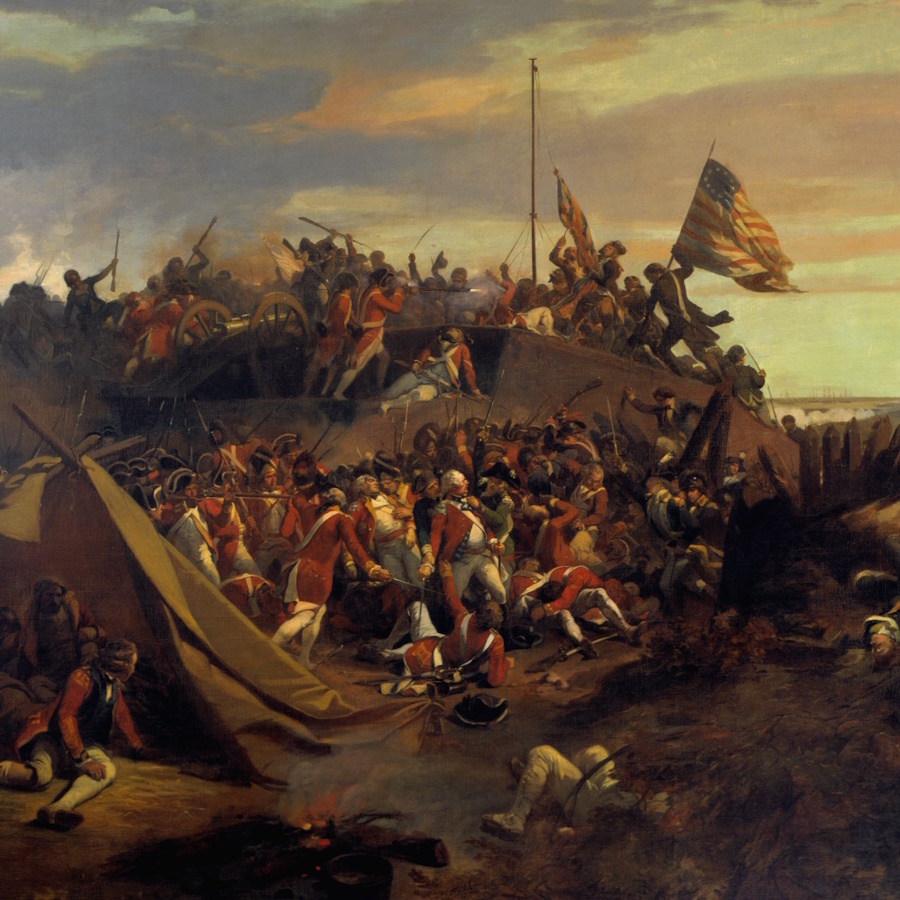
Shaping the Constitution features important primary source documents and paintings from the Library of Virginia and the Library of Congress related to America's Founding era and the U.S. Constitution. Citizens of Virginia, the oldest, wealthiest, and most populous colony, were powerfully influential in generating the ideas of revolution. Find resources related to Virginia's road to Revolution in our unit on Becoming Free and Independent States.
Explore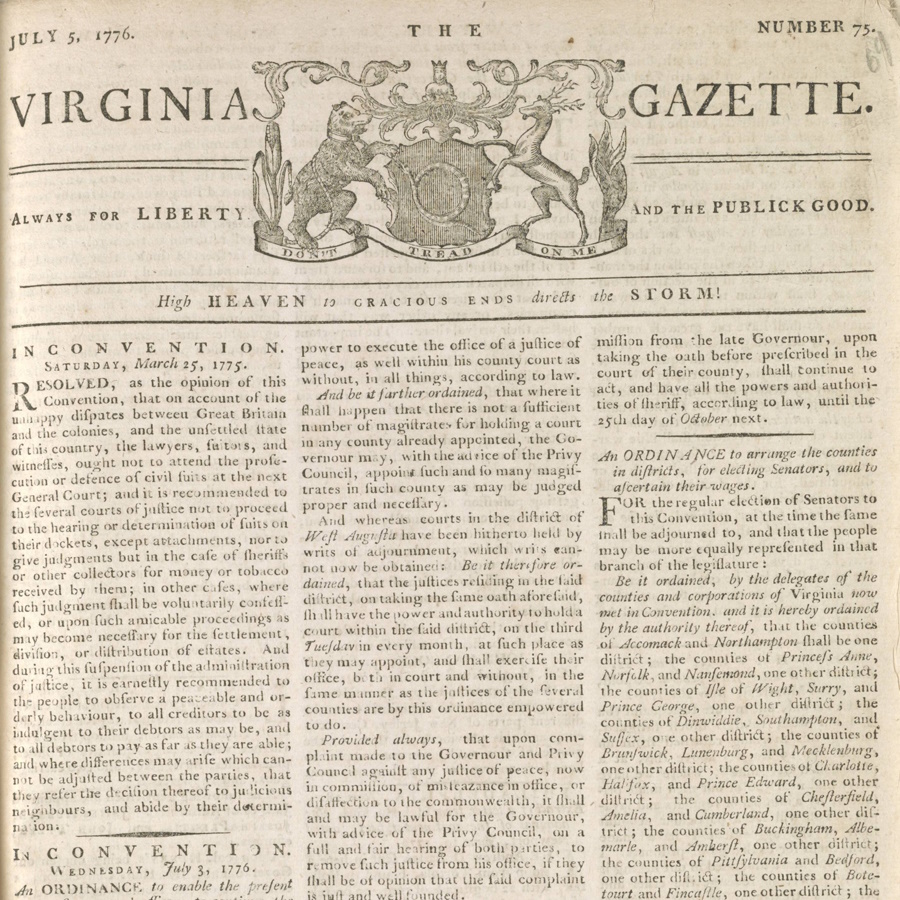
Our free, keyword-searchable newspaper database includes Virginia newspapers published during the American Revolution.
Search
Find stories of Virginians during the Revolutionary era in the Library's blog.
Read
Visit our Celebrate Virginia's 250th page to find more resources, upcoming events, and recordings of past events related to the founding of the United States.
View