
Lantz Mills Deaf Village Traveling Exhibition
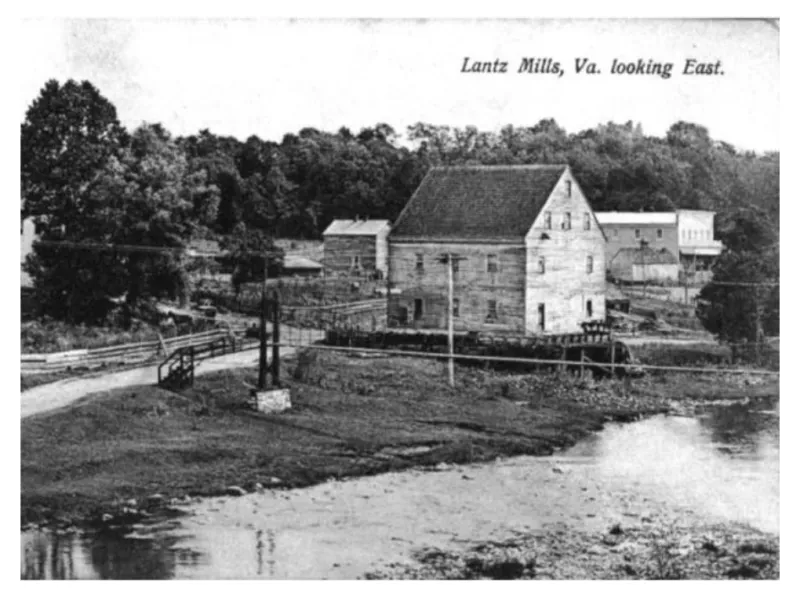
This exhibition explored the history of the Lantz Mills Deaf Village in Shenandoah County, Virginia. Between 1740 and 1970, Lantz Mills was home to many families with a mix of hearing and deaf parents and at least one or more deaf siblings. When both the hearing and deaf members of a locality use a shared visual language to communicate, that is known as a shared signing community. Those familiar with deaf culture may know that Martha’s Vineyard, the island off Massachusetts, was home to a shared signing community where 25% of the population was deaf. But few know that Virginia had a deaf village and shared signing community in Shenandoah County.
The Lantz Mills families were congenitally connected to other deaf villages including Lancaster, Pennsylvania, and Highland County, Ohio. Deaf Lantz Mills descendants indicated a mixture of both hereditary and illness-caused deafness. Those who reported becoming deaf by illness were more likely to be considered ‘hard of hearing’ and then ‘deaf’ after illness.
In the 1760s, Petter Hollar moved his family to Shenandoah County from Pennsylvania with the help of land grants offered by Lord Fairfax. The first known deaf person in Hollar's family was a daughter named Barbara, who was born in 1740. Another deaf daughter, Catherine, later married and moved to Ohio.
The deaf community centered in Lantz Mills expanded when William Christian moved his family there and founded Christian & Sons, a funeral and furniture business, in 1877. Notably, this enterprise is one of the first known deaf-owned and operated businesses in nineteenth-century Virginia, a rarity but an important footnote in the historical narrative of Shenandoah County and Lantz Mills. This deaf-owned business carried down the three generations of the Christians in the same wood shop for approximately 80 years.
Produced in collaboration with Kathleen L. Brockway, this six-panel traveling exhibition featured the history of prominent deaf villagers such as the Hollar and Christian families, deaf members’ involvement in local businesses, and even a budding romance within the community.
Traveling Exhibition Schedule
This exhibition is no longer traveling.